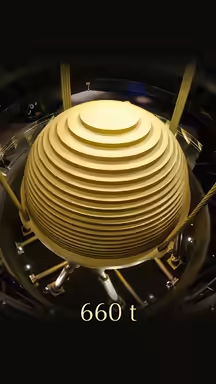
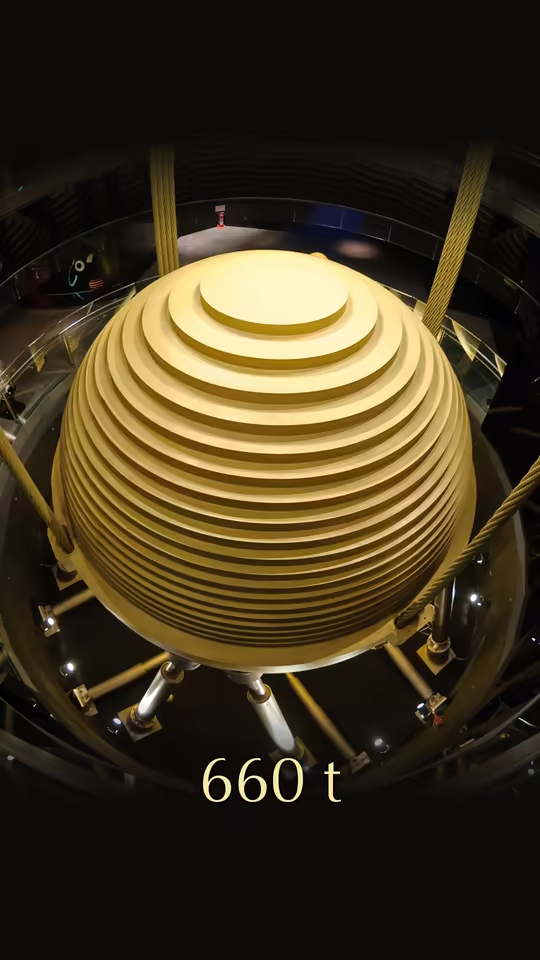
- Picture: real photographs of Taipei 101 and the steel ball inside it.
- Motion: the tower bends in a typhoon worked out by physics, without the ball and with it.
- Sound: real typhoon wind and rain, and a rope creak each time the ball swings back.
- Voice: a generated narrator: “a typhoon hit, and the ball swung a full metre.”
How we made our videos, one at a time: what each is built from, the steps, and the real sounds under it.
THE 660-TONNE BALLIn strong wind, tall buildings sway enough to make the people inside feel sick. Taipei 101 hangs a 660-tonne steel ball near its top: when the tower sways one way, the ball swings the other and pulls it back. This is the same typhoon twice, without the ball and with it.
How we made itThe videos
Nineteen videos, taken apart.
Tap one to jump to it. Under each, tap the sound: you hear the raw sound on its own, the strip jumps to the frame where it lands, then the loop plays with the finished mix.
 01THE 660-TONNE BALL34.6 s
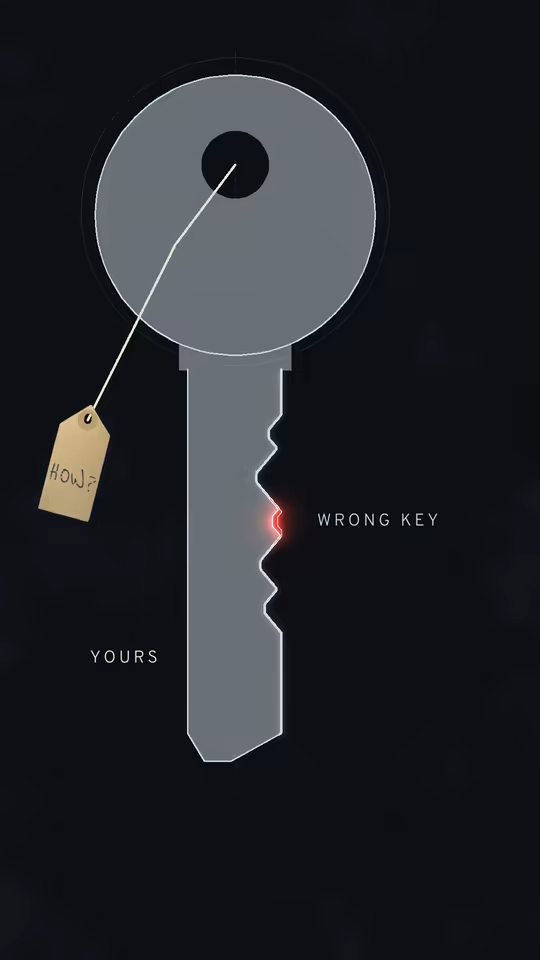
 02THE HOUSE KEY46.5 s
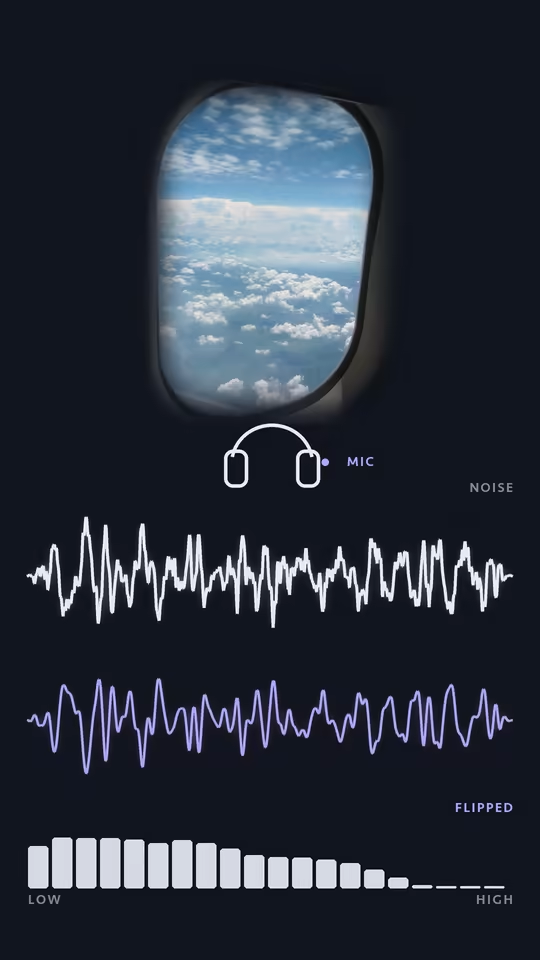
 03THE SOUND THAT ERASES SOUND34.8 s
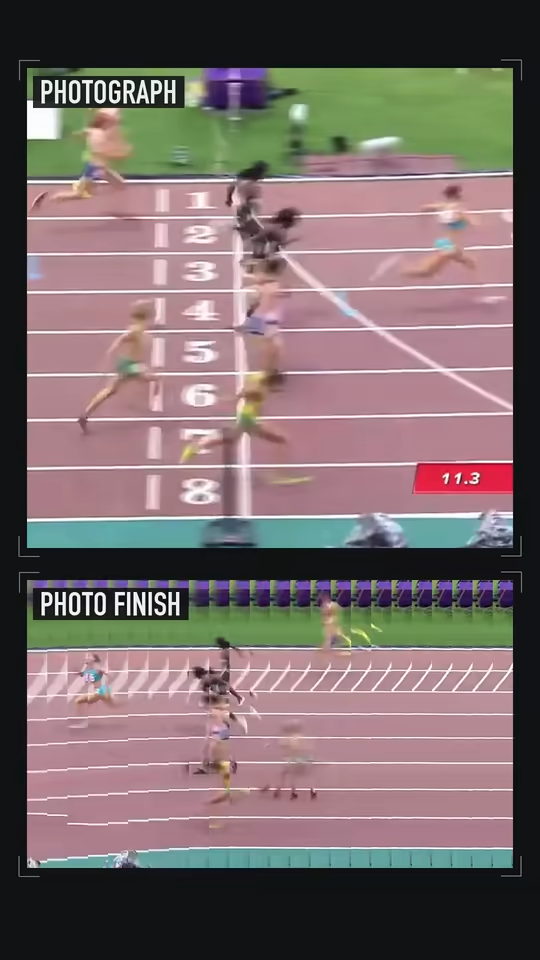
 04A PHOTO FINISH ISN’T A PHOTO36.3 s
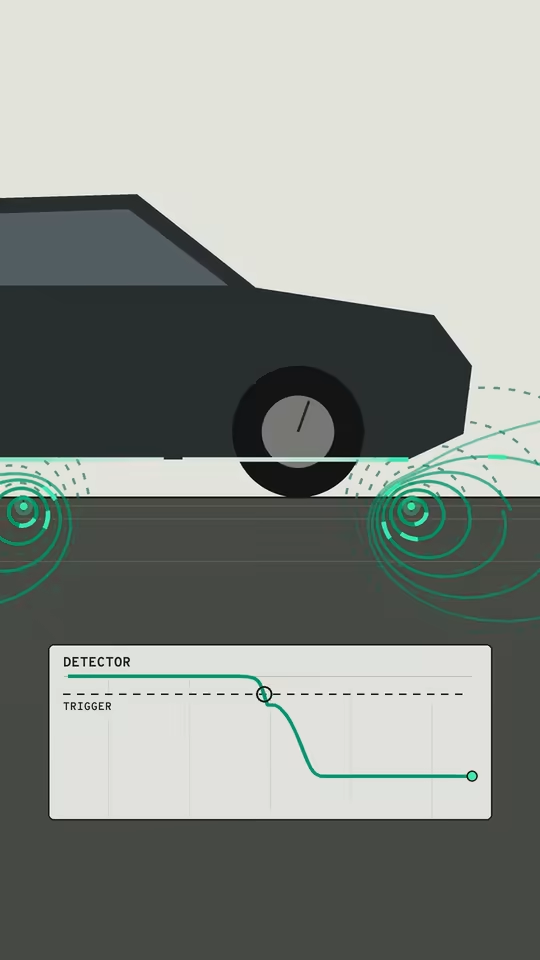
 05YOU’RE PARKED ON A METAL DETECTOR33.5 s
 06YOUR TIRES HAVE A BIRTHDAY37.0 s
 07DRY CLEANING ISN’T DRY44.0 s
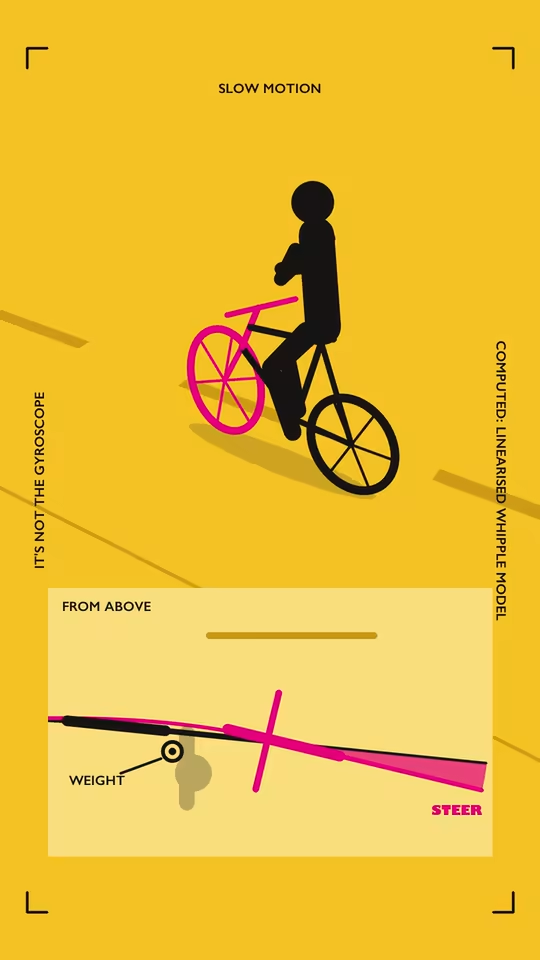
 08IT’S NOT THE GYROSCOPE34.8 s
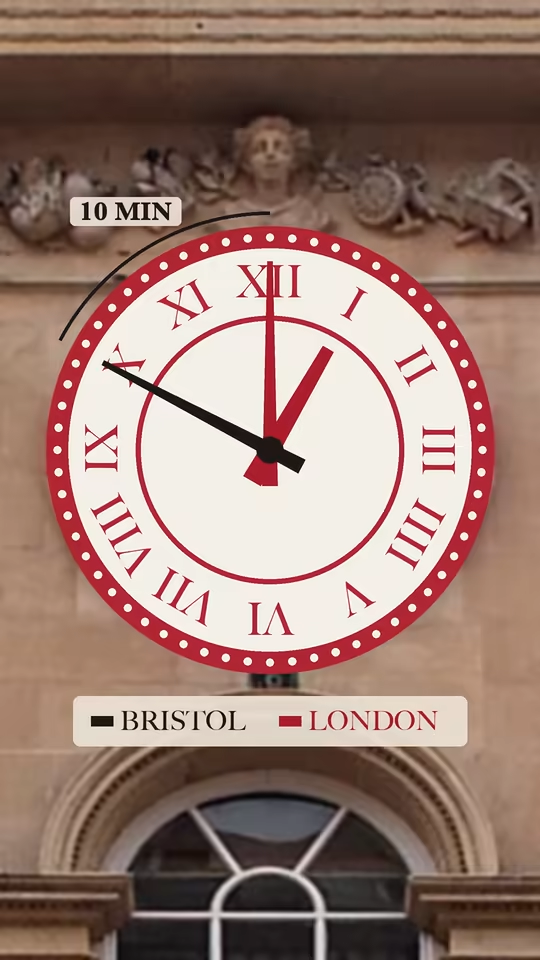
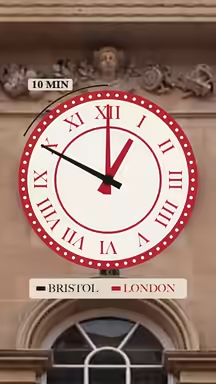 09THE CLOCK WITH TWO MINUTE HANDS38.8 s
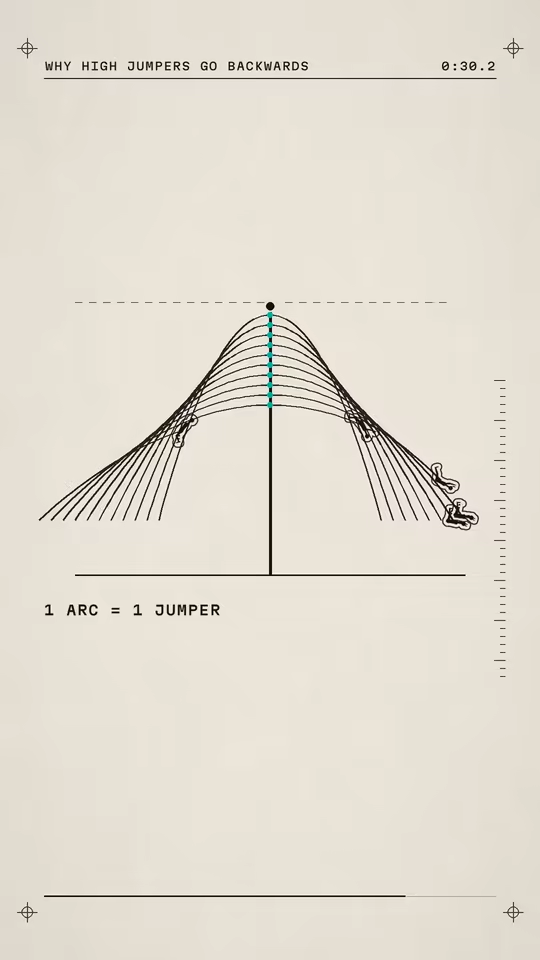
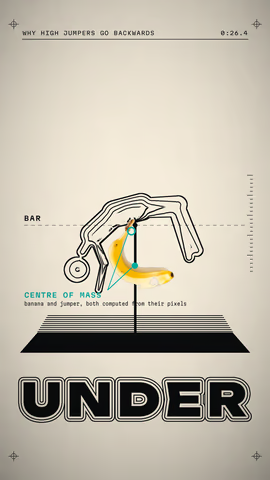
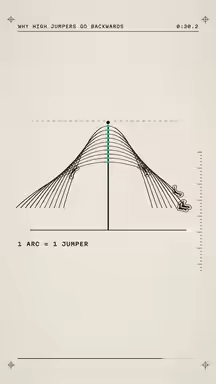 10WHY HIGH JUMPERS GO BACKWARDS37.8 s
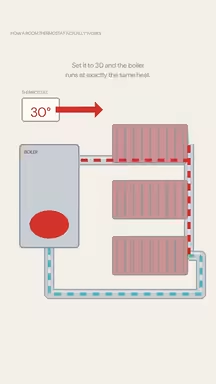 11TURNING IT UP DOESN’T MAKE IT FASTER21.8 s
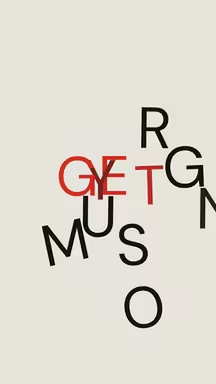 12EVERYTHING MUST GO14.8 s
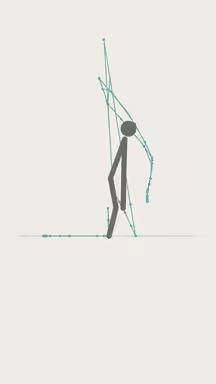 13THE SHAPE YOU LEAVE13.0 s
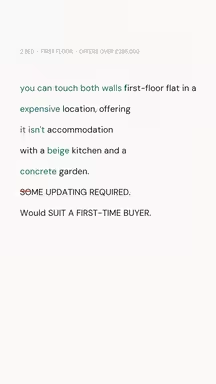 14WHAT IT ACTUALLY MEANS19.3 s
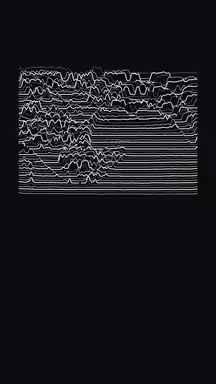 15DRAWN BY THE WAVE12.5 s
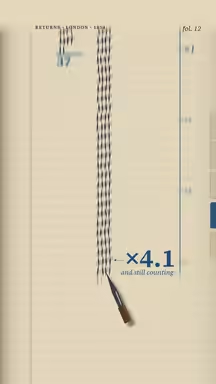 16THE GRANDEST SCALE34.3 s
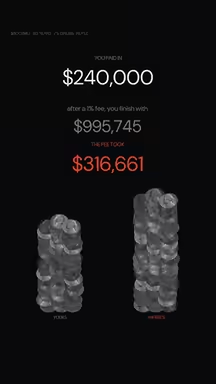 17ONE PERCENT30.3 s
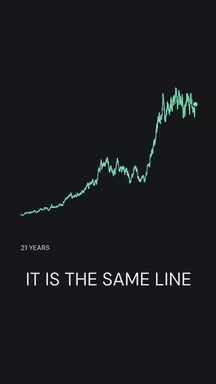 18THE SAME LINE12.0 s
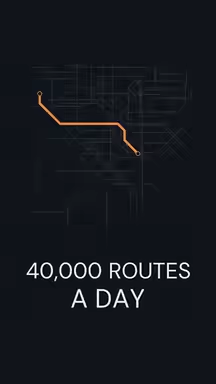 19ONE OF FORTY THOUSAND13.0 s
 00:24.25
00:23.67the 2-second loop, 10 frames00:25.67
Tap it: the raw recording on its own, then the frame where it lands, then the finished loop.
How it was made01 / 19
THE 660-TONNE BALL
Built from
Real photographs of Taipei 101 and of the steel ball inside it, a sway worked out by physics for this video, and a narrator.
The steps
- A real photo of the tower is cut away from its sky, so the tower can bend.
- The sway is worked out by physics for a tower with a hanging ball, and the same typhoon is run twice: without the ball and with it.
- The two towers stand side by side, and the ball swings below them, a metre at true scale.
- When the wind stops, the tower without the ball keeps swinging; the one with it settles.
The sound
A generated narrator voice, real wind and heavy rain as strong as the storm on screen, a rope creak each time the ball swings back, a gong for its steel, and low trombones and cellos that stop for the storm.
Raw recording: “Gong Brilliant Paiste 32″” by JensZygar, Freesound, CC0. Photographs: the ball by Armand du Plessis (CC BY 3.0), the tower by Balon Greyjoy (CC0), both on Wikimedia Commons; the tower is bent by our animation.
 00:19.38
00:18.70the 2-second loop, 10 frames00:20.70
Tap it: the raw recording on its own, then the frame where it lands, then the finished loop.
How it was made02 / 19
THE HOUSE KEY
Built from
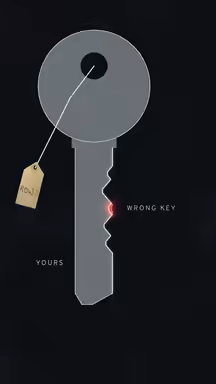
A real photo of a house key on its ring, Linus Yale Jr.’s real 1865 patent drawing, an X-ray-style drawing of a modern lock (drawn by us, not a real X-ray), a steel key and a bank card rendered in 3D by us from Schlage’s published key measurements, and an AI narrator voice (ElevenLabs).
The steps
- A real photo of a house key with a HOW? tag on its ring; a pen traces the blade, and the photo tears away to the ink outline.
- The outline turns into five heights, and a split pin and a spring drop onto each cut.
- The one moment: the key slides into Yale’s real 1865 patent drawing, a red line is ruled where the pins split, every split lands on it, and the cylinder turns.
- A paper copy with one cut a step too shallow leaves one pin across the line, and the lock jams. Close up, that step is 0.38 mm beside a 0.76 mm bank card: half its thickness.
The sound
An AI narrator voice (ElevenLabs), a quiet room, the keys’ own jingle on the ring, a fountain-pen nib, paper tearing, pins clicking into place, a real door lock turning, a photocopier, a label maker, scissors, a locked door rattling where the copy jams, a card set down on steel, and a music-box tune we composed from recorded music-box notes.
Raw recording: “Unlocking - Locking Door and Keys Rattling.wav” by nickrandomsounds, Freesound, CC0. Photographs: the key by Kindel Media and the blank tag, both on Pexels (Pexels licence); cropped and graded, a store stamp on the key retouched out. Drawing: US Patent 48,475, L. Yale Jr., 27 June 1865 (public domain). Key depths from Schlage’s published key specifications; no Schlage artwork is shown.
What a locksmith checks on every front door, each check with its source.
 00:14.21
00:13.60the 2-second loop, 10 frames00:15.60
Tap it: the raw recording on its own, then the frame where it lands, then the finished loop.
How it was made03 / 19
THE SOUND THAT ERASES SOUND
Built from
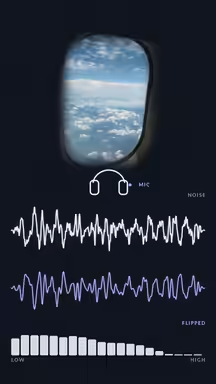
A real photo of a plane window over clouds, a real recording of a plane cabin and one of a baby crying, headphones drawn as a line, a wave and bars drawn from that recording, and an AI narrator voice (ElevenLabs). No picture in it is AI-generated.
The steps
- A real photo of a plane window, with headphones drawn under it, and the roar of a real cabin recording drawn as a white wave, 40 times slower than it plays so you can see its shape.
- A microphone on the headphones picks up the roar, and a lilac copy of it, flipped upside down, slides up onto the white wave.
- The one moment: where the two meet, the line goes flat, the low bars fall, and the roar you hear goes quiet too, because the soundtrack itself is put through the same flip, on the same curve as the picture.
- Only the sound below about 500 Hz is flipped, because real headphones cancel low sound and not voices, so the baby crying stays: its high bars stand and its ripple rides on the flat line.
The sound
An AI narrator voice (ElevenLabs), a real recording of a plane cabin (the same sound the wave and the bars are drawn from) and a real recording of a baby crying. At the cancel, the finished soundtrack is about 26 dB quieter below 500 Hz than the same mix with the headphones off, measured on the finished file. No music.
Raw recording: “Airplane Cabin” by Brentanamo, Freesound, CC0. The baby: “01 baby crying hard.wav” by PickleJones, Freesound, CC0. Photograph: “Airplane Window” by contraption (CC BY 2.0), Flickr; scaled, darkened slightly and moved by our animation.
 00:06.96
00:06.05the 2-second loop, 10 frames00:08.05
Tap it: the raw recording on its own, then the frame where it lands, then the finished loop.
How it was made04 / 19
A PHOTO FINISH ISN’T A PHOTO
Built from
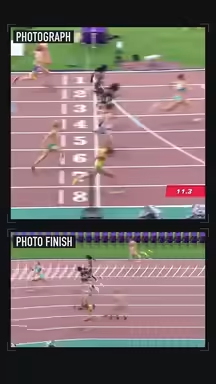
Real footage of a women’s 100 m final and its own recorded sound, a photo finish built on screen from that footage, and an AI narrator voice (ElevenLabs). No picture in it is AI-generated.
The steps
- It opens on the same finish twice: a photograph, and a photo finish whose runners look stretched and whose stands are stripes.
- The real race runs to the line, then rewinds, while 1937 and Lorenzo Del Riccio, the Paramount Pictures engineer, come up on screen.
- The one moment: a thin band is lifted off the finish line in every frame and laid beside the last, so the race builds its own photo finish under the live picture.
- Left to right in the strip is time: anything standing still turns into stripes, every runner faces the other way, and a cursor runs back to the first runner across. Ours takes 25 slices a second; a race camera takes thousands.
The sound
An AI narrator voice (ElevenLabs) and the race’s own recorded sound, played backwards and faster while the footage rewinds; a shutter slide, a click for each slice and a tick where the cursor stops are made in code. No music.
Raw recording: the race’s own sound, from the footage below. Footage: “Women’s 100M Final - 28th Summer Universiade 2015 Gwangju” by FISUTV (CC BY 3.0), Wikimedia Commons; cropped, slowed and rescanned.
 00:16.08
00:15.05the 2-second loop, 10 frames00:17.05
Tap it: the sound on its own, then the frame where it lands, then the finished loop.
How it was made05 / 19
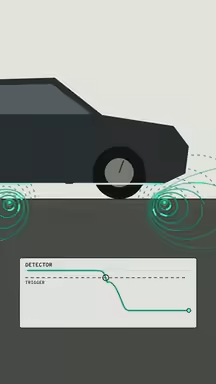
YOU’RE PARKED ON A METAL DETECTOR
Built from
Real photographs of a traffic light at night and of loop cuts in two roads, a road cross-section and a magnetic field drawn by us from the physics of a wire loop, and an AI narrator voice (ElevenLabs). No picture in it is AI-generated.
The steps
- A real red light at night, then a real road in Germany: the rectangles cut into the tarmac before the stop line are traced in green.
- The road opens into a cross-section: under each cut, wire sits a few centimetres down, sealed in.
- The one moment: a car rolls on, the loop’s magnetic field, worked out from the physics of a wire loop, bends under the car’s metal, the detector’s trace drops past its trigger, and the light goes green. How far the trace drops is illustrative.
- A car stopped too far back and a bike on the loop barely move the trace, and the light stays red. It ends on real roads, with round loop cuts in Hammond, Indiana.
The sound
An AI narrator voice (ElevenLabs) and sounds made in code for what is on screen: a faint saw under each traced cut, tyres and an idling engine while a car is in frame, a relay click as the trace crosses its trigger, a heavier switch as the light changes, a bike’s freewheel ticking, and a soft shutter on each cut to a photo. The loop itself makes no sound you can hear, so the cross-section is silent when nothing moves. No music.
The sound you tap is the load switch, made in code, like every sound effect in this video. Photographs: the traffic light by O.S. Fisher (CC BY 2.0), the B 59 road in Germany by Wolf Meusel (public domain) and the loop cuts in Hammond, Indiana by AlphaBeta135 (CC BY 4.0), Wikimedia Commons and Flickr; the road photo is levelled and its date stamp painted out.
 00:20.33
00:19.60the 2-second loop, 10 frames00:21.60
Tap it: the raw recording on its own, then the frame where it lands, then the finished loop.
06 / 19
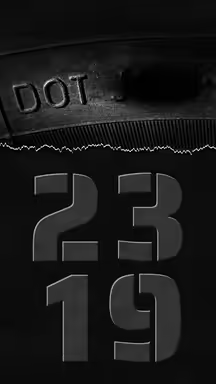
YOUR TIRES HAVE A BIRTHDAY
Built from
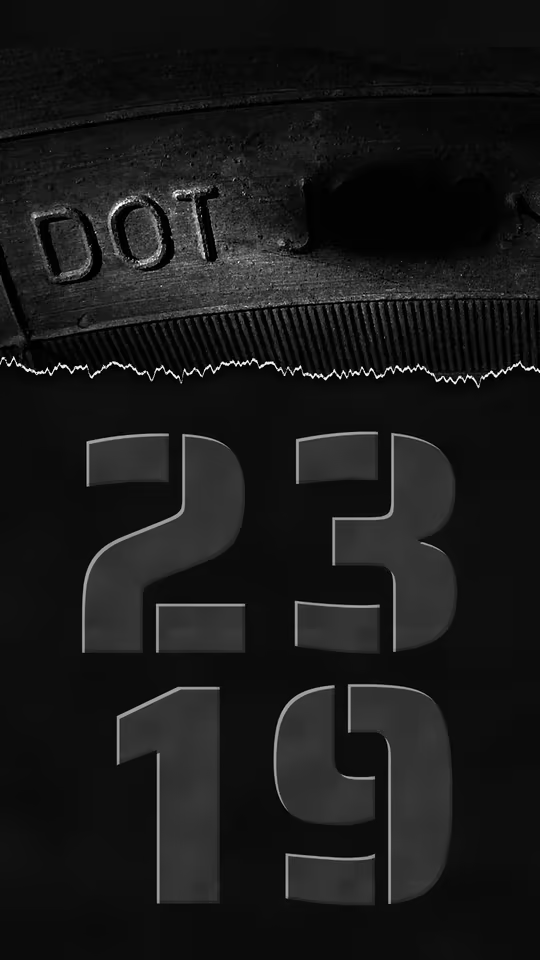
A real photo of a tire’s sidewall (public domain), a tire made in 3D by us, paper, crayon and a stamp, a real photo of a pile of tires (CC0), and a narrator.
The steps
- A low light sweeps across a real tire and finds the letters DOT; the four numbers after them, 2319, lift off the rubber one by one.
- 23 fills the screen in stencil type and crayon writes WEEK under it; then 19 lands in heavy block letters and YEAR is stamped in.
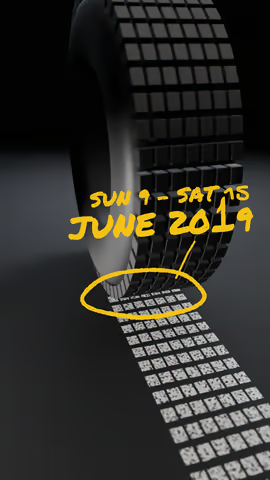
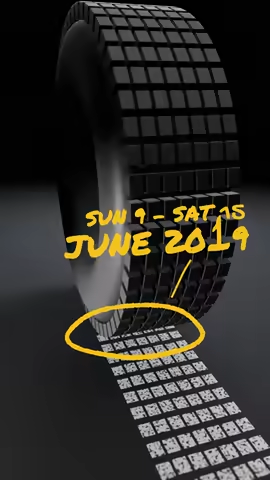
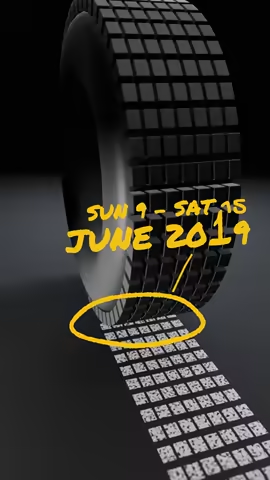
- The numbers press into the tread, which prints out as a photo; a calendar page tears off it, its grooves become the columns, and one week is circled.
- The one moment: the tire rolls across the floor and prints its own weeks in talc, stopping on the 23rd, which crayon circles as 9 to 15 June 2019. Then a real pile of tires, each year written with a different tool.
The sound
A generated narrator voice, a garage that turns into an empty warehouse, rubber lifting and thumping, an instant camera, paper tearing, tape, a printing press, talc, the tire rolling to a stop, and each year written with its own tool: crayon, chalk, pen, spray and a stamp. No music.
Raw recording: “Punching rubber tire.WAV” by DDT197, Freesound, CC0. Photographs: the sidewall by Wualex (public domain) and the pile of tires by PheobeLongneck (CC0), Wikimedia Commons; the real date code on the sidewall is blurred.

 00:12.92
00:12.20the 2-second loop, 10 frames00:14.20
Tap it: the raw recording on its own, then the frame where it lands, then the finished loop.
How it was made07 / 19
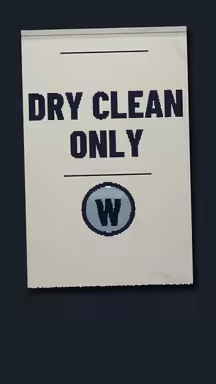
DRY CLEANING ISN’T DRY
Built from
A woven care tag, a machine drum and wool fibres, all made with code written for this video (no photographs), and a narrator.
The steps
- The circle on a woven DRY CLEAN ONLY tag turns into the window of a machine full of liquid.
- Inside the cloth, a water drop and a solvent drop land side by side on one wool fibre.
- Water swells the fibre, and with heat and tumbling its scales lock onto the next one: that is shrinking. Solvent leaves it as it was.
- We pull back out through the circle, and a W, for a professional wet clean, fills it with water.
The sound
A generated narrator voice, a real washing machine and water sloshing in its drum, two recorded water drops (the solvent one darker), a zip catching as the fibres lock, and stitching for each letter. No music.
Raw recording: “Drop - Water” by mattfinarelli, Freesound, CC0.
 00:14.62
00:14.23the 2-second loop, 10 frames00:16.23
Tap it: the raw recording on its own, then the frame where it lands, then the finished loop.
How it was made08 / 19
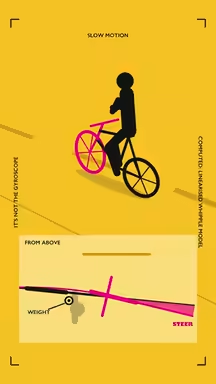
IT’S NOT THE GYROSCOPE
Built from
Real footage of cyclists in a tunnel in Amsterdam, a bike that moves by the published physics of how bikes balance, and a narrator.
The steps
- Real cyclists ride through a tunnel while the narrator says what we were all told: the wheels act like gyroscopes.
- The engineers’ test bike is drawn on a yellow road-safety poster, with a second wheel spinning backwards to cancel the gyroscope.
- An ordinary bike is knocked sideways, and in slow motion its front wheel turns into the fall; a view from above shows the steering.
- The same knock on the test bike: it catches itself too.
The sound
A generated narrator voice, the tunnel’s own recorded sound, a hand striking metal for each knock, a freewheel that slows down in slow motion, a real bicycle bell, and an oboe with plucked cellos that stop while the bike catches itself.
Raw recording: “Hand On Metal 3.wav” by dster777, Freesound, CC0. Footage: “Fietsers in de IJ-tunnel” by Hay Kranen (CC BY 4.0), Wikimedia Commons, cropped.
 00:14.88
00:13.91the 2-second loop, 10 frames00:15.91
Tap it: the raw recording on its own, then the frame where it lands, then the finished loop.
How it was made09 / 19
THE CLOCK WITH TWO MINUTE HANDS
Built from
A real photograph of the clock on Corn Street in Bristol, a close-up of its dial redrawn by us, an old portrait of Sandford Fleming, and a narrator.
The steps
- The camera pushes in from the real building to the clock; where the photo runs out of detail, a redrawn copy of the dial takes over.
- The black Bristol hand and the red London hand sit about ten minutes apart.
- Twelve town clocks each keep their own time, then Bristol’s hand is pushed onto London’s and every clock snaps together.
- Sandford Fleming misses a train over an A.M. and P.M. mix-up, and 24 watches form a ring, one for each time zone.
The sound
A generated narrator voice, recorded clockwork (twelve town clocks ticking out of step until they tick as one), a winding ratchet, a tower bell, a steam train, a hole punch for A.M. and P.M., and a quiet church organ that keeps London’s seconds.
Raw recording: “Old Clock Pendulum” by Tom_Kaszuba, Freesound, CC0. Photographs: Corn Street by Tim Green (CC BY 2.0) and Sandford Fleming by Sheldon & Davis (public domain), Wikimedia Commons.
 00:23.71
00:23.26the 2-second loop, 10 frames00:25.26
Tap it: the raw recording on its own, then the frame where it lands, then the finished loop.
10 / 19
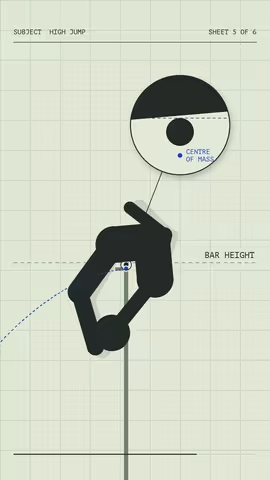
WHY HIGH JUMPERS GO BACKWARDS
Built from
Muybridge’s real 1887 photographs (public domain), a real banana photo (CC0), and a jumper whose path is worked out from physics.
The steps
- The 1887 photo plate sits far back as a line pattern.
- A real banana draped over the bar shows its balance point sitting under the bar.
- The banana turns into an arched jumper, and every in-between shape is left as a stripe.
- Twenty jump arcs end it: nineteen balance points pass under the bar, one goes over.
The sound
A generated narrator voice, a quiet studio, masking tape laid for the stripes, a marimba from the first footstep, a crowd at the clear, and a short silence before the landing.
Raw recording: “Banana Dropping Impacts” by dbstein, Freesound, CC0.
 00:04.92
00:04.62the 2-second loop, 10 frames00:06.62
Tap it: the raw recording on its own, then the frame where it lands, then the finished loop.
How it was made11 / 19
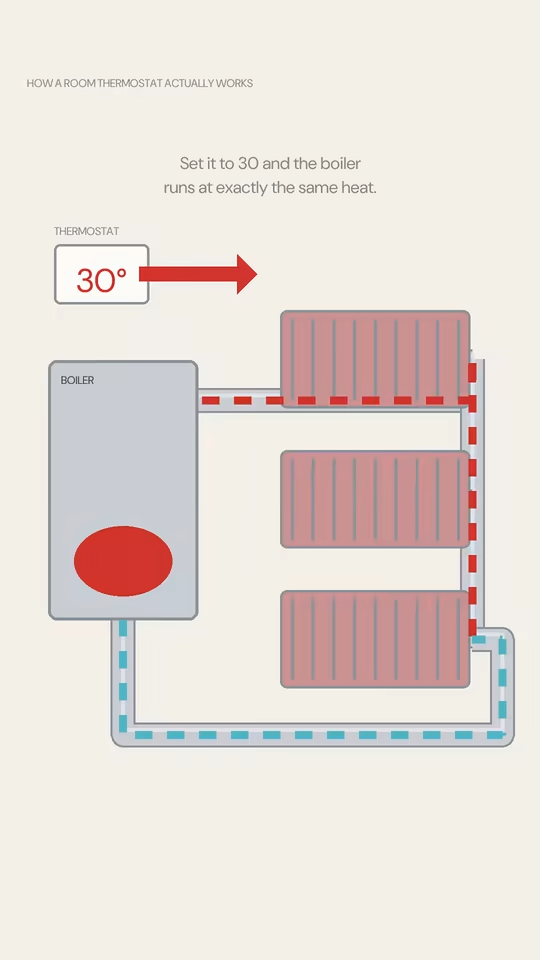
TURNING IT UP DOESN’T MAKE IT FASTER
Built from
A central-heating circuit drawn as soft grey tubes on cream, with a narrator.
The steps
- The boiler fires and the radiators warm, with red flow and blue return running inside the pipes.
- The thermostat goes from 21 to 30 degrees.
- Nothing about the heat changes: a thermostat is a switch, not a throttle.
The sound
A generated narrator voice, a living-room floor, relay clicks, a real gas burner lighting, water, radiator ticks, and a bassoon-and-clarinet clockwork that stops for the evidence.
Raw recording: “gas_boiler_start_stop_02.wav” by xdrav, Freesound, CC0.
 00:09.04
00:08.10the 2-second loop, 10 frames00:10.10
Tap it: the raw recording on its own, then the frame where it lands, then the finished loop.
How it was made12 / 19
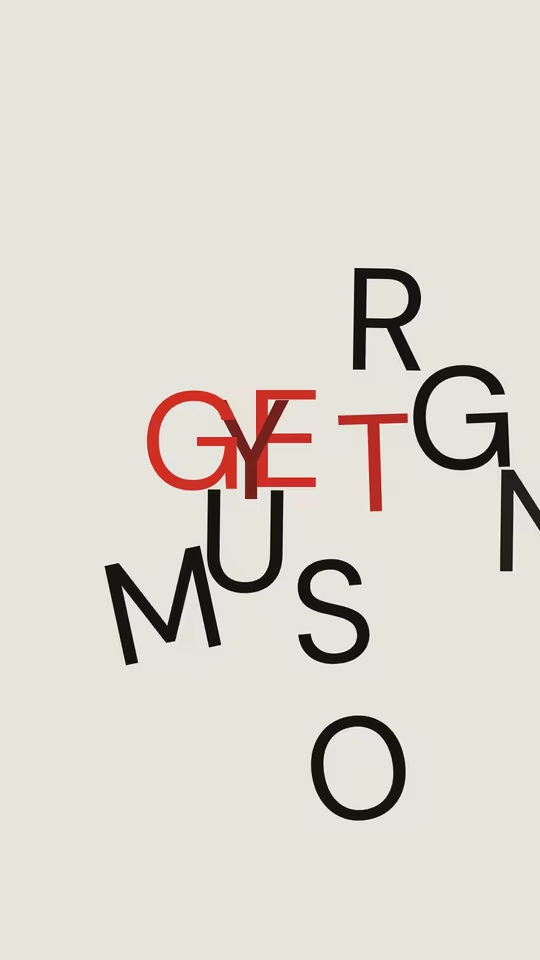
EVERYTHING MUST GO
Built from
Type only: the sixteen letters of EVERYTHING MUST GO.
The steps
- The sixteen letters scatter and churn.
- Eight of them leave, one at a time, from four different sides.
- The other eight fly into GET YOURS, a word made only from letters already there.
- The sale line lands: final reductions, ends Sunday.
The sound
A shop’s room tone and a real clothes rail: hangers clink on as letters arrive, whip off as they leave, and hook back on as they land.
Raw recording: “Clothes Hangers on a Metal Rail.wav” by Breezy2000uk, Freesound, CC0.
 00:01.67
00:01.38the 2-second loop, 10 frames00:03.38
Tap it: the raw recording on its own, then the frame where it lands, then the finished loop.
How it was made13 / 19
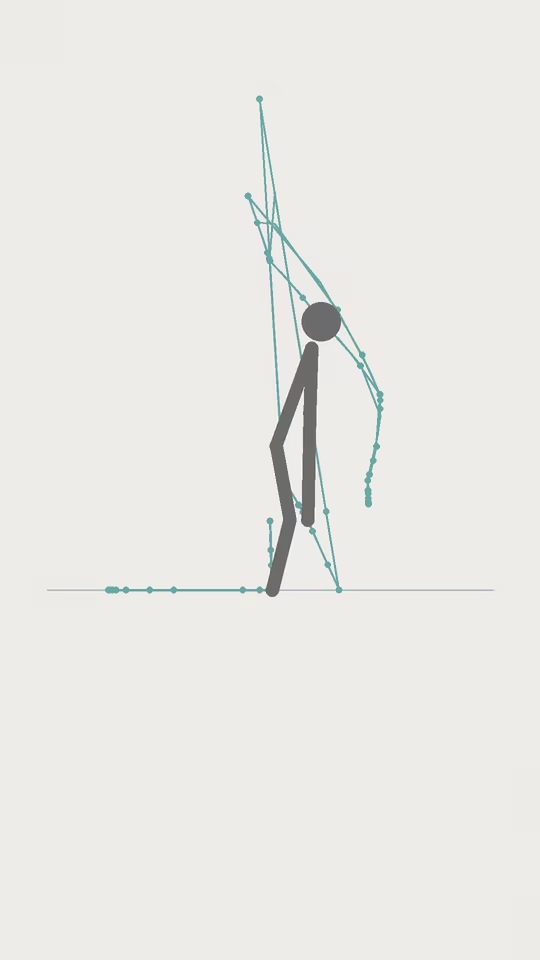
THE SHAPE YOU LEAVE
Built from
A line figure doing a real burpee, broken into eight positions.
The steps
- A real burpee is split into eight positions, from standing to the jump.
- The timing makes the drop fast, the press slow and the jump explosive.
- The figure fades, and every position it passed through stays drawn.
The sound
A body on a gym mat, recorded: hands slap, feet kick back, an exhale on the press, the landing. The sounds fade with the figure.
Raw recording: “Yogamat.23.wav” by Plexant, Freesound, CC0.
 00:11.04
00:10.30the 2-second loop, 10 frames00:12.30
Tap it: the raw recording on its own, then the frame where it lands, then the finished loop.
How it was made14 / 19
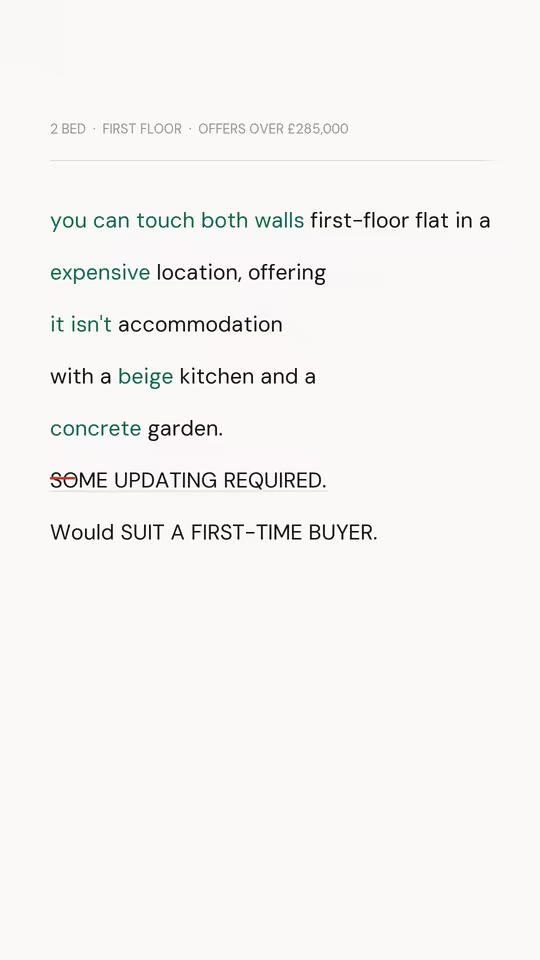
WHAT IT ACTUALLY MEANS
Built from
Type only: an ordinary property listing.
The steps
- An ordinary listing sits still on the page.
- Each estate-agent phrase is struck through where it stands.
- The plain meaning is stamped in its place: “cosy” becomes “you can touch both walls”.
- It ends on THE CODE: so stop writing in it.
The sound
An estate agent’s office, a real marker pen for every strike (as long as the word), a rubber stamp for every plain meaning, and a tuba after the joke.
Raw recording: “17_stamp, rubber, plastic.wav” by 15FPanska_KristynaHaupt, Freesound, CC0.
 00:05.83
00:05.62the 2-second loop, 10 frames00:07.62
Tap it: the raw recording on its own, then the frame where it lands, then the finished loop.
How it was made15 / 19
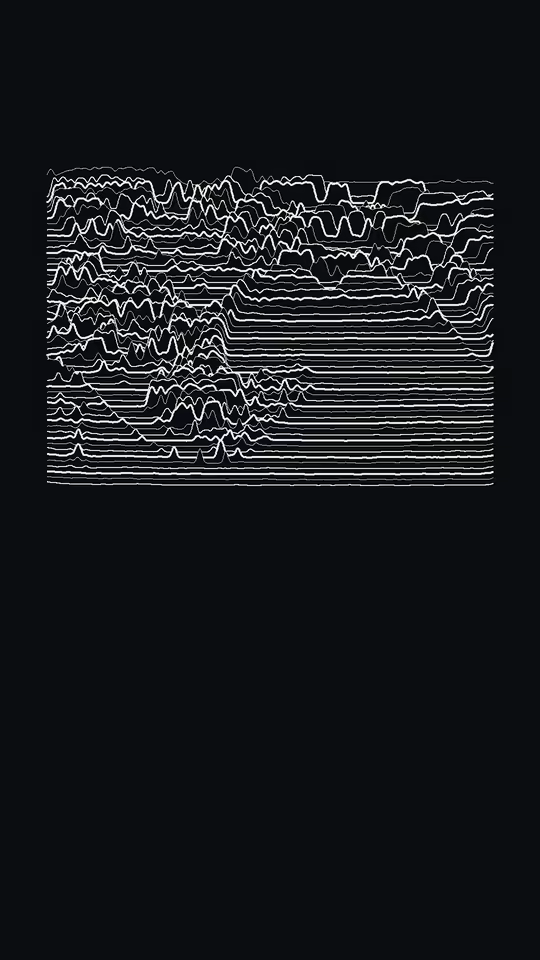
DRAWN BY THE WAVE
Built from
Hokusai’s Great Wave, a public-domain print.
The steps
- The print’s brightness is read in 54 rows.
- Each row becomes a line, drawn back to front so near ridges hide far ones.
- The painting rises inside the lines: the lines were the painting all along.
The sound
A real ocean heard only through the lines, opening up as the painting appears, and a real brush on paper for each ridge.
Raw recording: “Ocean waves crashing in winter time in a small Portugal village” by khenshom, Freesound, CC0.
 00:28.71
00:27.55the 2-second loop, 10 frames00:29.55
Tap it: the raw recording on its own, then the frame where it lands, then the finished loop.
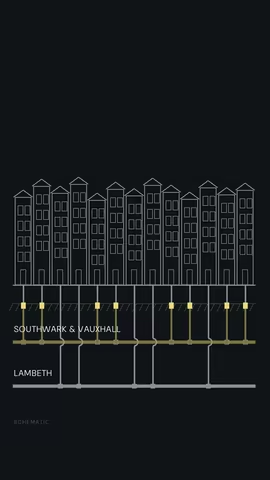
16 / 19
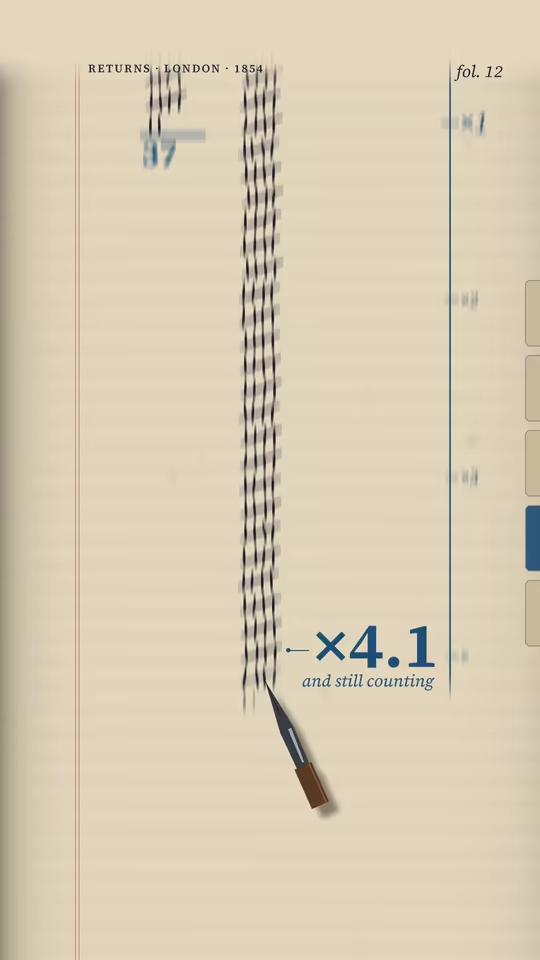
THE GRANDEST SCALE
Built from
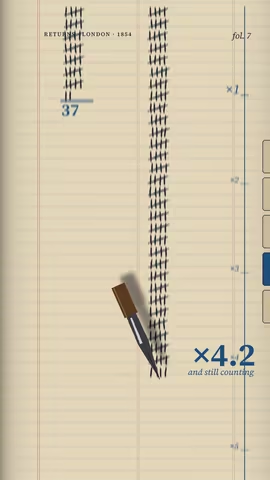
A ledger page drawn by us, John Snow’s real 1854 cholera map (public domain), and a steel nib writing in ink.
The steps
- Snow’s real map is pinned to the page as a print, then flipped face-down.
- A steel nib writes a house register, and “bad air” is copied down every row.
- The two water companies become two columns, counted stroke by stroke.
- The camera chases the Southwark tally down the page until “bad air” is struck out in red.
The sound
A generated narrator voice, a records-room tone, and recorded nib, quill, pencil, pins, paper and stamp, with strings that stop for the evidence.
Raw recording: “Drawing with a pen” by florianreichelt, Freesound, CC0.
 00:04.42
00:04.00the 2-second loop, 10 frames00:06.00
Tap it: the raw recording on its own, then the frame where it lands, then the finished loop.
How it was made17 / 19
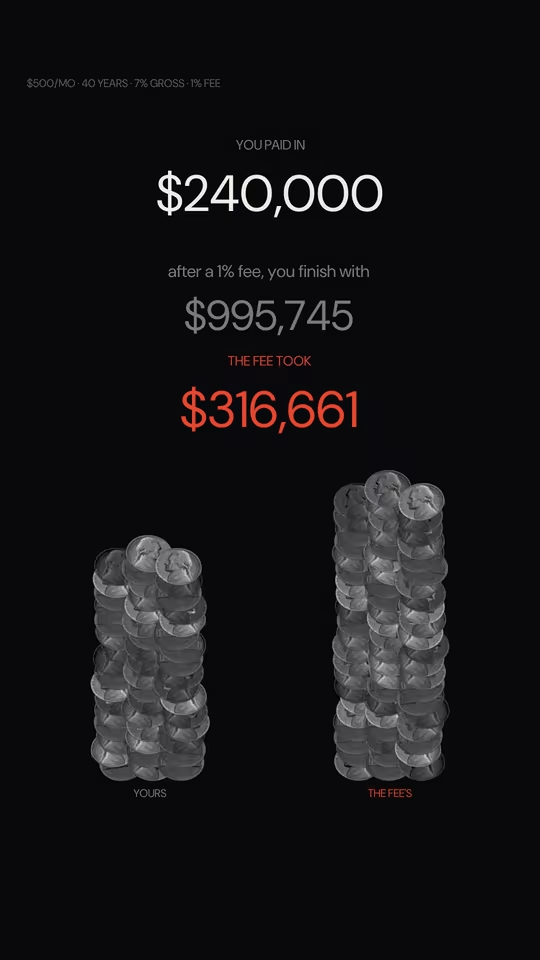
ONE PERCENT
Built from
Real coins filmed close, cut out and stacked as columns, with type over them and a narrator. An illustration, not advice.
The steps
- Saving $500 a month for 40 years at 7% is worked out on screen, as money paid in.
- The same money with a 1% yearly fee is worked out beside it.
- Two columns of real coins rise side by side, yours and the fee’s.
- The fee’s column keeps rising after yours has stopped.
The sound
A generated narrator voice, 112 recorded coins counted from the stacks, and harp, double bass and glockenspiel that stop before the fee’s coins.
Raw recording: “Couple of coins on wood top” by nicoproson, Freesound, CC0.
 00:03.25
00:01.62the 2-second loop, 10 frames00:03.62
Tap it: the raw recording on its own, then the frame where it lands, then the finished loop.
How it was made18 / 19
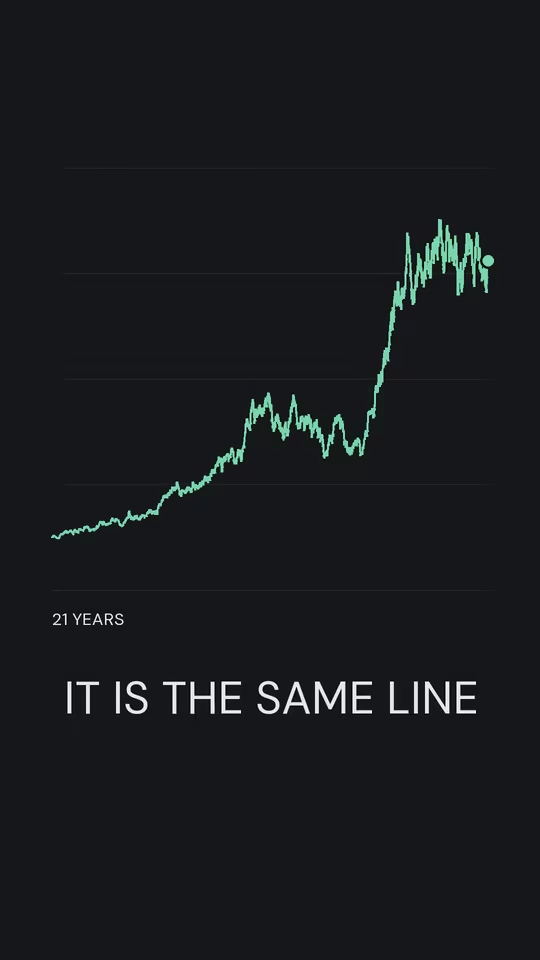
THE SAME LINE
Built from
One made-up price series, generated once and never redrawn.
The steps
- Six seconds of a frantic line, seen up close.
- The camera pulls back, and the same line is a smooth rising curve.
- Every frame is a window onto the same series, so nothing was fixed.
The sound
A real trading-floor crowd up close that falls away as the camera pulls back, and an open-field wind that rises.
Raw recording: “wind open field” by Globofonia, Freesound, CC0.
 00:07.75


00:07.50the 2-second loop, 10 frames00:09.50
Tap it: the raw recording on its own, then the frame where it lands, then the finished loop.
How it was made19 / 19
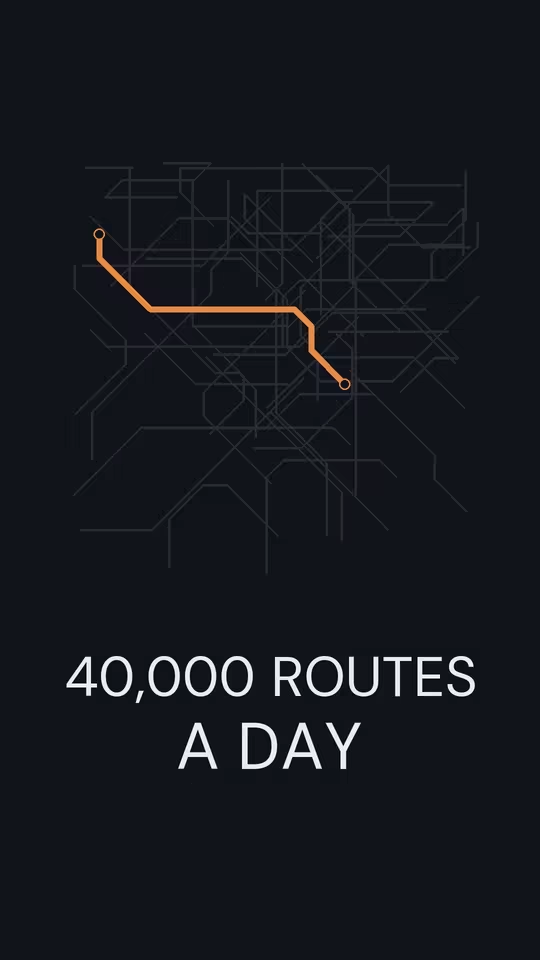
ONE OF FORTY THOUSAND
Built from
A transit-map drawing by us, every line at 45 or 90 degrees.
The steps
- Forty routes draw across a country as one network.
- Every route but one fades away.
- One parcel travels the route that is left and arrives.
The sound
A real warehouse that fades to a quiet room, a cardboard box on metal rollers following the parcel, and forty recorded piano notes, one per route.
Raw recording: “metal rollers conveyor belt with no belt to bring boxes to store basement normal and slow prickly gritty movement.flac” by kyles, Freesound, CC0.
For your brand
Want videos like this for your brand?
Short explainers made the same way: a real idea, drawn and moved by us, with real recorded sound under it.
See the motion serviceThe $19 manual
Why It Came Back Wrong
57 things that go wrong when you generate AI video, what is actually happening, and whether the fix costs another attempt.
Get the $19 manualQuestions? Email japhet@promptlenshq.com